
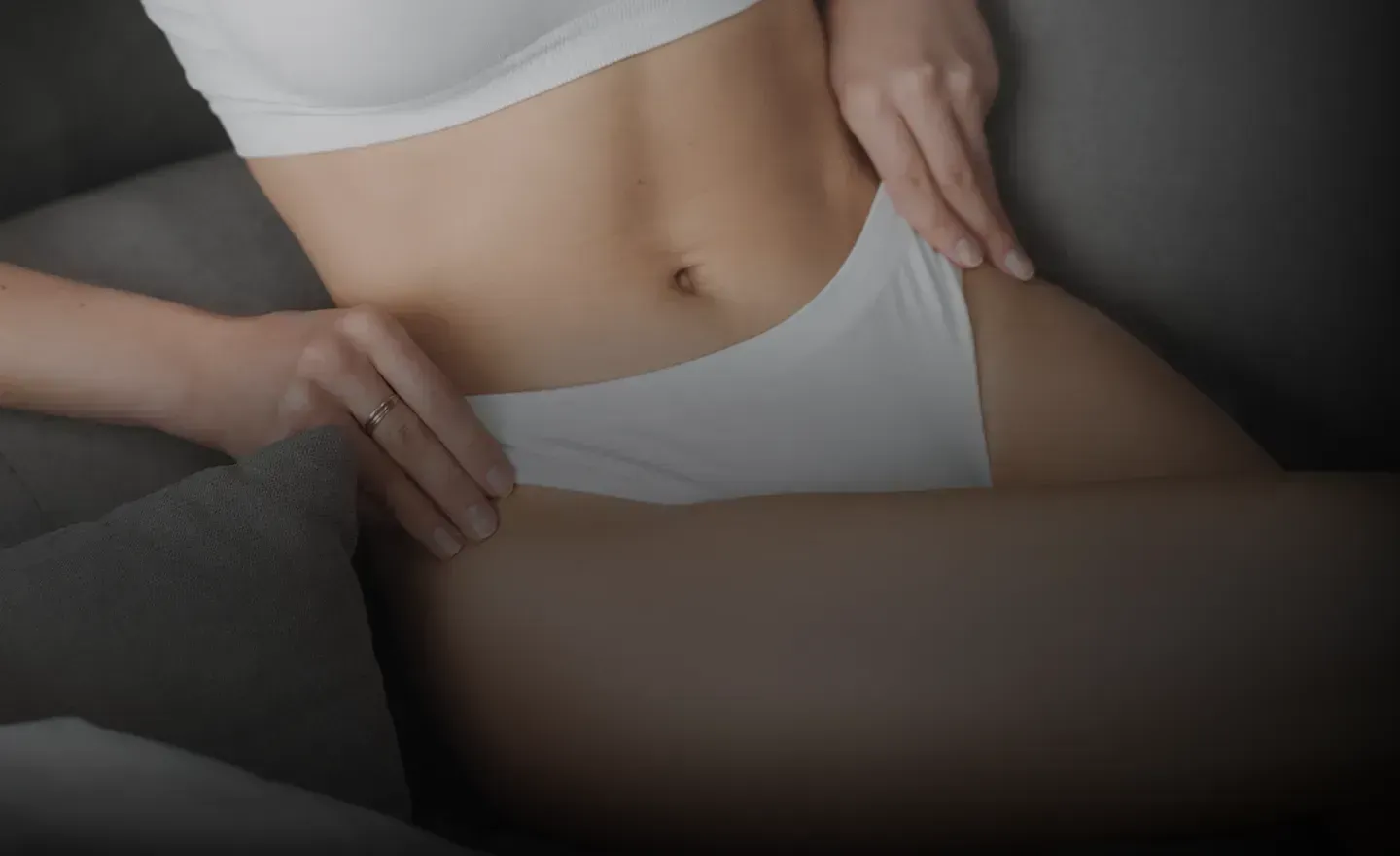
The Modern Tummy Tuck: How Abdominoplasty Has Evolved
The Modern Tummy Tuck: How Abdominoplasty Has Evolved
For many people, the term "tummy tuck" still conjures up the image of a major operation involving a long scar, significant downtime and the removal of a large amount of excess skin.
The reality is very different.
Over the last decade, abdominoplasty has undergone a remarkable evolution. Modern techniques are safer, more refined and, most importantly, far more individualised. Rather than performing the same operation for every patient, we now have a range of techniques that allow us to tailor the procedure to the patient's anatomy, lifestyle and goals.
It's No Longer Just About Removing Skin
Modern abdominoplasty is far more than simply removing excess skin.
Today's approach combines lipoabdominoplasty to sculpt the entire torso, internal corset muscle repair to restore abdominal support and waist definition, and quilting sutures to reduce fluid build-up and often avoid the need for surgical drains.
The result is a safer operation, a smoother recovery and a more refined, natural-looking outcome.
The GLP-1 Effect
The popularity of GLP-1 medications has created a new generation of body contouring patients. Following significant weight loss, many people are left with loose skin and changes in abdominal shape that cannot be corrected through diet or exercise alone.
Importantly, not all of these patients require a full tummy tuck. Many are ideal candidates for smaller, more tailored procedures, reflecting the shift towards personalised abdominal contouring.
The Rise of the Mini Abdominoplasty
One of the biggest advances in abdominal contouring has been the evolution of the mini abdominoplasty.
Traditionally, mini tummy tucks were reserved for a small group of patients with limited excess skin below the belly button. Today, advances in surgical technique and technology have transformed the procedure into a far more versatile option, allowing many patients to avoid a full abdominoplasty altogether.
For carefully selected patients, a mini abdominoplasty can achieve excellent contour with a shorter scar, less tissue dissection and a faster recovery than a traditional tummy tuck.
Modern techniques have significantly expanded its indications. In patients with rectus diastasis but very little excess skin, a floating umbilicus technique allows the abdominal muscles to be repaired through the lower incision without the need for a full abdominoplasty. Similarly, combining a mini abdominoplasty with a reverse tummy tuck can address both the lower and upper abdomen in selected patients, creating a balanced result while minimising the extent of surgery.
Technology has also become an important adjunct. Energy-based devices such as Quantum RF and J-Plasma (Renuvion®) can be used to tighten the skin and soft tissues from beneath the surface. While they cannot replace a tummy tuck when there is significant skin excess, they can substantially improve skin contraction in patients with mild to moderate laxity.
In many cases, combining these technologies with a mini abdominoplasty allows patients to achieve the contour they want without progressing to a full tummy tuck. Rather than asking, "Does this patient need a tummy tuck?" the modern question is, "What is the least invasive procedure that will achieve the best result?"
This shift reflects perhaps the greatest advance in abdominal contouring: tailoring the operation to the patient, rather than asking every patient to fit the operation.
If you are interested in surgery please contact PANTHEONS clinic on 01342 330302 or contact@pantheons.com
Read our Latest Articles

AHA vs BHA: Mr Paul Banwell Featured in Vogue
Mr Paul Banwell, featured in British Vogue, explains the difference between AHAs and BHAs, which acid suits which skin, and how to use them safely.
Read more
Working with the Body, Not Just On It: Dr Paul Banwell in Wellbeing News
Dr Paul Banwell of PANTHEONS featured in Wellbeing News on regenerative surgery, and why the weeks after an operation matter as much as the operation itself.
Read more
Preservé: Minimal Scar Breast Augmentation
Minimal scar breast augmentation in the UK explained by Mr Paul Banwell: Motiva Preserve, Mia Femtech, candidacy, recovery & 3D simulation at Pantheons Clinic.
Read more